April 19, 2026
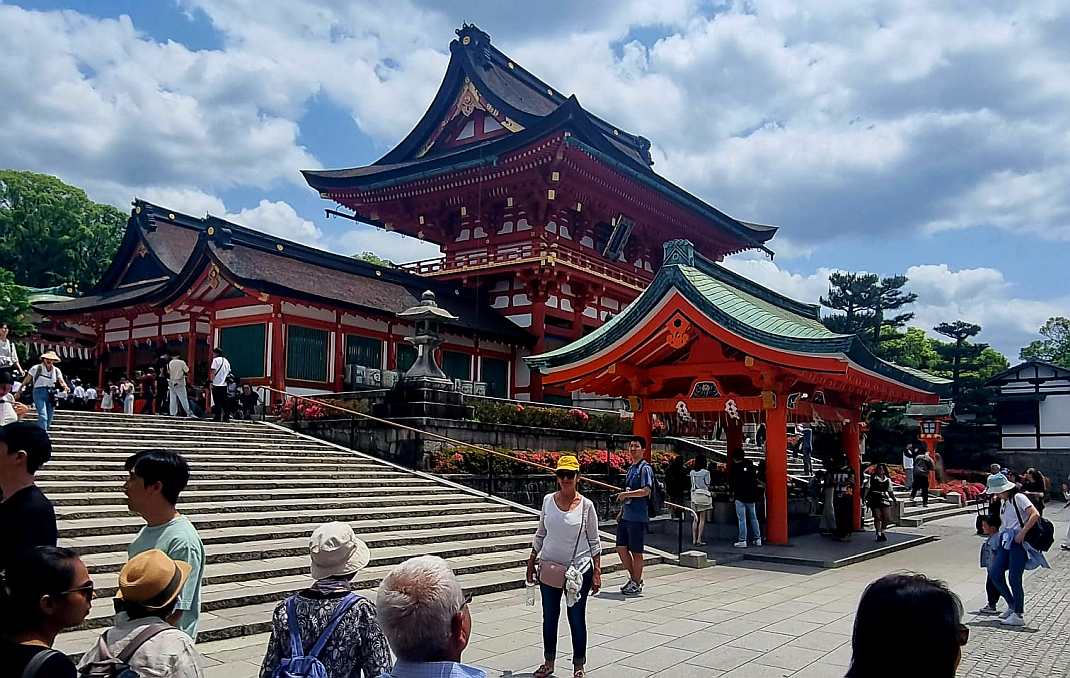
Japan is a land where ancient tradition meets futuristic technology in a way that feels like stepping onto another planet. For the observant or traditional traveler on an organized tour, the “Land of the Rising Sun” offers incredible beauty, but its high-tech nature and unique culinary landscape require some “insider knowledge.” Culture & Etiquette: The Basics The Art of the Bow: Bowing is the standard greeting. For a visitor, a slight inclination of the head and shoulders is perfect. It’s a social gesture, not a religious one, so don’t worry about it conflicting with your beliefs—it’s simply their way of saying “hello” or “thank you.” Silence is Golden: On trains and buses, Japanese people maintain a very quiet atmosphere. Talking loudly on your phone or with your group is considered quite rude. It’s a great time for some quiet reflection or Tehillim. The “No Tipping” Rule: Tipping is not part of Japanese culture. In fact, if you leave money on the table, the waiter might chase you down the street to return it! Quality service is a matter of pride, not extra pay. The Shoe Rule (Genkan): You will take your shoes off a lot—at temples, some restaurants, and traditional guesthouses (Ryokans). Make sure you wear nice, clean socks without holes! No Trash Cans: There are almost no public trash cans in Japan (due to security and cleanliness standards). Everyone carries their trash with them. Pro-tip: Keep a small plastic bag in your daypack to hold your wrappers until you get back to the hotel. Navigating Kosher in Japan The “Dashi” Dilemma: This is the biggest challenge. Dashi is a soup stock made from fish (often bonito flakes) and is the base of almost everything—even vegetable dishes. Since you’re on an organized tour, your guide will handle the main meals, but be cautious with “vegetarian” street snacks. Fruit is a Luxury Item: You’ll see beautiful melons or grapes in department stores for $50 or even $100. They are gifted like fine wine. For a cheaper, kosher-friendly snack, stick to local supermarkets where prices are more reasonable. Convenience Stores (Konbini): 7-Eleven, Lawson, and FamilyMart are on every corner. You can find plain salted rice balls (Onigiri—look for the plain salt ones, often labeled “Shio”), hard-boiled eggs in shells, and uncut fruits. Vending Machine Paradise: There is a vending machine for every 23 people in Japan. Most bottled water, plain green tea, and black coffee (unsweetened) are perfectly fine. The Soy Sauce Issue: Many Japanese soy sauces contain small amounts of alcohol (from fermentation) or even additives. If you are very strict, it’s worth bringing a small travel-sized bottle of kosher soy sauce from home to spruce up your rice. Shabbat in the Land of High-Tech The “Washlet” Toilets: Japan is famous for toilets with heated seats, bidets, and music. However, they are almost entirely electronic. On Shabbat, you’ll need to find a way to flush manually (some have a hidden mechanical lever) or ensure sensors are deactivated. Automatic Doors: They are everywhere—from the hotel entrance to the convenience store. Plan your Shabbat walk with a “human escort” (a non-Jewish member of the hotel staff or your group guide) to avoid triggering the sensors. Key Cards and Motion Sensors: Most modern Japanese hotels use card keys and have motion-sensor lights in the rooms. Mention this to your tour operator early so they can request a lower floor or help you find a workaround (like taping over a sensor) before Shabbat begins. Punctuality is Sacred: If the tour bus says it leaves at 8:00 AM, it leaves at 8:00 AM. This isn’t “Jewish Time”—there is no 5-minute grace period! Walking Distances: Tokyo and Kyoto are massive. Even if you stay in a central hotel for Shabbat, “walking distance” in Japan can easily mean 10 miles of walking. Check your maps carefully! Nature, Tradition & Practicality Shrines vs. Temples: Shrines (Shinto) usually have a large gate (Torii) at the entrance, while Temples (Buddhist) house statues. While tourists are welcome, observant Jews often choose to appreciate the architecture and gardens from the outside rather than participating in the ritual washing or bowing at the altars. Luggage Forwarding (Takkyubin): Japan has an incredible service where they ship your suitcases from one hotel to the next for a small fee. This is a lifesaver for organized tours, allowing you to travel with just a small Shabbat bag if the group is moving on a Friday. The Onsen (Public Bath) Culture: If your tour visits a hot spring, remember that traditional onsens are gender-segregated and require full nudity (and often ban tattoos). For the modest traveler, look for hotels that offer “Private Onsens” (Kashikiri) that you can book for your family. The Year is Different: While they use the Western calendar, Japan also uses the Imperial era calendar. 2026 is Reiwa 8. You might see this on receipts or food expiration dates. Omotenashi: This is the Japanese spirit of hospitality—anticipating a guest’s needs before they even ask. If you approach the locals with a smile and a few words of Japanese (Arigato for thank you), they will go above and beyond to help you navigate their beautiful country.