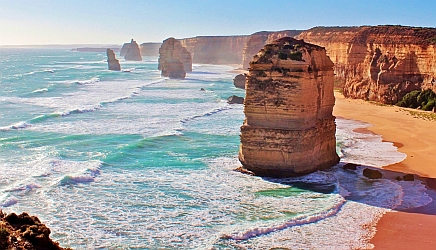
Tours to the South Pacific: Exploring Australia, New Zealand, and Tasmania The South Pacific, a region synonymous with pristine beaches, lush rainforests, and vibrant cultures, is a dream destination for many travelers. Among the jewels of this region are Australia and New Zealand, two countries that offer a rich tapestry of landscapes, history, and cultural experiences. A tour to these nations is more than a journey through beautiful landscapes; it’s an immersion into histories that span millennia and cultures that vibrantly intertwine tradition and modernity. From the red deserts and coral reefs of Australia to the fjords and geothermal springs of New Zealand, travelers are treated to a feast for the senses and the soul. The rich tapestry of indigenous traditions, colonial histories, and contemporary cultural expressions make these destinations uniquely compelling and unforgettable. Australia: Land of Diversity and Wonders Landscapes Australia’s landscapes are as vast and varied as the country’s size suggests. The continent is home to the iconic Outback, a sprawling desert with a sense of timelessness and isolation. This arid expanse is dotted with unique geological formations like Uluru, a massive sandstone monolith that holds sacred significance for the Aboriginal people. Moving towards the coasts, Australia offers an entirely different scenery. The Great Barrier Reef, the world’s largest coral reef system, stretches over 2,300 kilometers and teems with marine life, making it a paradise for snorkelers and divers. The lush rainforests of Queensland, with their ancient trees and rich biodiversity, contrast sharply with the stark beauty of the interior deserts. History Australia’s history is a complex narrative of ancient indigenous cultures and European colonization. The Aboriginal and Torres Strait Islander peoples have inhabited the continent for thousands of years, developing rich traditions, languages, and a deep spiritual connection to the land. The arrival of British settlers in 1788 marked the beginning of significant changes, often tumultuous, including the establishment of penal colonies and the subsequent expansion of European settlement. The impact on the indigenous population was profound and devastating, with many communities displaced and their cultures disrupted. Today, Australia acknowledges this history and strives to reconcile and celebrate its diverse heritage. Culture Modern Australian culture is a vibrant mix of influences. The indigenous cultures contribute a wealth of art, music, and spiritual practices that are increasingly recognized and celebrated. Contemporary Australian society also reflects its British colonial roots, which are evident in its architecture, language, and governance. Additionally, waves of immigration from Europe, Asia, and beyond have added layers of multiculturalism, making Australian cities like Sydney and Melbourne cultural melting pots. Festivals, culinary diversity, and artistic expressions from around the world enrich the Australian cultural landscape. New Zealand: Land of the Long White Cloud Landscapes New Zealand, known to the Māori as Aotearoa, is famed for its stunning and diverse landscapes. The North Island features geothermal wonders, rolling farmlands, and vibrant beaches. The Bay of Islands, with its 144 islands, offers a picturesque maritime playground, while Rotorua is renowned for its geysers and hot springs. The South Island, in contrast, boasts dramatic mountain ranges, fjords, and pristine lakes. The Southern Alps, home to Aoraki/Mount Cook, the highest peak in New Zealand, provide breathtaking vistas and opportunities for alpine adventures. Fiordland National Park, with its majestic fjords like Milford Sound, offers some of the most spectacular scenery in the world. History New Zealand’s history is a story of exploration and settlement. The Māori, the indigenous Polynesian people, arrived around the 13th century, developing a rich culture and societal structures. Their legends, arts, and crafts remain integral to New Zealand’s identity. European exploration began in the 17th century, with Dutch and later British explorers mapping the islands. British colonization began in earnest in the early 19th century, leading to significant social and political changes, including signing of the Treaty of Waitangi in 1840. This treaty, meant to protect Māori rights while allowing British settlement, has had a lasting impact on New Zealand’s development and remains a central document in its history. Culture New Zealand’s culture uniquely blends Māori traditions and European influences, enriched by recent immigration from the Pacific Islands and Asia. Māori culture, with its language (Te Reo Māori), performing arts, and crafts, is a living and vibrant part of the national identity. The traditional war dance, the haka, is famously performed by New Zealand sports teams and has become a symbol of Kiwi pride and strength. European settlers have contributed to a lifestyle that values outdoor activities, environmental conservation, and a strong sense of community. New Zealand’s film industry, boosted by the global success of “The Lord of the Rings” and “The Hobbit” trilogies, showcases its breathtaking landscapes and creative talent. Tasmania: The Heart-Shaped Island Tasmania, Australia’s island state, often called the “heart-shaped island” due to its unique geography, is a hidden gem in the South Pacific. Separated from mainland Australia by the Bass Strait, Tasmania boasts an array of natural wonders, a rich history, and a distinctive culture that sets it apart. This compact island offers a microcosm of Australia’s diversity, with its rugged landscapes, pristine wilderness, and vibrant communities. Tasmania is an essential stop on the journey through the South Pacific for travelers seeking a destination that combines natural beauty, historical depth, and cultural vibrancy. Landscapes Tasmania’s landscapes are renowned for their breathtaking beauty and ecological significance. The island is home to numerous national parks and reserves, many of which are part of the Tasmanian Wilderness World Heritage Area, recognized for its outstanding universal value. Mount Field National Park, one of the island’s oldest, showcases stunning waterfalls, towering trees, and diverse wildlife. Cradle Mountain-Lake St Clair National Park, with its iconic jagged peaks and serene glacial lakes, offers some of the best hiking trails in the world, including the famous Overland Track. The east coast of Tasmania is dotted with pristine beaches and clear waters, with Freycinet National Park and its stunning Wineglass Bay being a highlight. The Bay of Fires, with its orange lichen-covered rocks and white sandy beaches, contrasts the island’s dense forests and mountainous interior. The Tasman Peninsula’s rugged coastlines and dramatic sea cliffs, home to the famous Three Capes Track, showcase the island’s geological wonders. History Tasmania’s history is rich and multifaceted, beginning with its indigenous peoples, the Palawa. The Palawa developed a deep connection to the land, reflected in their cultural practices, art, and stories. European exploration began in the 17th century, with Dutch explorer Abel Tasman being the first to record sighting the island in 1642. The island’s colonial history is marked by the establishment of penal colonies in the early 19th century. Port Arthur, one of the most infamous penal settlements, is a haunting yet fascinating historical site today, offering insights into the harsh realities of convict life. The arrival of European settlers led to significant changes, often devastating for the indigenous population due to displacement and introduced diseases. Today, there is a growing recognition and celebration of Tasmania’s indigenous heritage, alongside efforts to reconcile and heal historical wounds. Culture Tasmania’s culture blends its indigenous heritage, colonial past, and contemporary creative spirit. The island is known for its vibrant arts scene, with Hobart, the capital city, being a hub for cultural activities. The Museum of Old and New Art (MONA) in Hobart has gained international acclaim for its eclectic and provocative collection, attracting art enthusiasts from around the world. The annual Dark Mofo festival, also hosted by MONA, celebrates the winter solstice with a mix of art, music, and community events, reflecting Tasmania’s unique cultural identity. The island’s small towns and villages each have their own character and charm, from the historic Georgian architecture of Richmond to the artsy vibe of Cygnet. These communities are often surrounded by stunning natural landscapes, offering a tranquil and picturesque way of life that is deeply connected to the environment. When is the Best Time to Tour the South Pacific? The best time to tour the South Pacific, particularly Australia and New Zealand, largely depends on what you want to experience, as the region offers diverse climates and activities throughout the year. Generally, the Southern Hemisphere’s spring (September to November) and autumn (March to May) are considered ideal. During these shoulder seasons, the weather is mild and pleasant, avoiding summer heat and winter cold extremes. In Australia, this means comfortable temperatures for exploring cities like Sydney and Melbourne and natural wonders like the Great Barrier Reef and the Outback. Similarly, New Zealand’s landscapes are at their most vibrant, with blooming flora in spring and stunning autumn foliage. For those keen on beach holidays and aquatic activities, summer (December to February) is perfect, particularly for Australia’s coastal regions and the islands of the South Pacific. However, this is also peak tourist season, which means higher prices and crowds. Conversely, winter (June to August) is excellent for skiing and snowboarding in New Zealand’s alpine regions. Ultimately, the best time to tour the South Pacific hinges on your preferred activities and tolerance for weather variations, making the region a year-round destination with something to offer every traveler. Is the South Pacific Suitable for Senior Travelers? The South Pacific is highly suitable for senior travelers, offering a range of experiences catering to varying mobility and interest levels. Australia and New Zealand, in particular, are well-equipped with excellent infrastructure, making travel convenient and comfortable. Senior travelers can enjoy guided tours that provide insights into the rich history and culture of destinations like Sydney, Melbourne, and Auckland without the need for strenuous activity. Accessible attractions like the Sydney Opera House and the Auckland Museum are easily navigable. For those seeking natural beauty without intense physical exertion, scenic drives along Australia’s Great Ocean Road or New Zealand’s Milford Sound provide breathtaking views. Many national parks in both countries offer well-maintained walking paths and lookouts that require minimal effort. Cruises around the South Pacific islands are another fantastic option, combining relaxation with the opportunity to explore multiple destinations. These cruises often include organized excursions that are gentle on the body yet enriching for the mind. Healthcare facilities in Australia and New Zealand are top-notch, and both countries are known for their safety and hospitality. With a mix of leisurely activities, cultural experiences, and natural wonders, the South Pacific is a delightful and accommodating destination for senior travelers. Organized Kosher Group Tour An organized Kosher group tour offers a unique travel experience tailored to the needs of Jewish travelers who observe Kashrut and seek a culturally enriching journey. These tours provide a seamless travel experience, ensuring that all meals are strictly Kosher, prepared according to Halacha, and supervised by qualified personnel. Participants can enjoy the peace of mind that comes with not worrying about sourcing appropriate food or compromising their dietary standards. Such tours often include visits to sites of Jewish historical and cultural significance, offering an immersive experience of the local Jewish heritage. Destinations may include major cities with vibrant Jewish communities, historical synagogues, Jewish museums, and memorials. This allows travelers to connect with the Jewish narrative of the region they are visiting, enhancing their understanding and appreciation of the local culture and history. Additionally, these tours typically offer the opportunity to participate in communal prayers and traditionally observe Shabbat, creating a sense of community among the travelers. The itineraries are carefully crafted to balance sightseeing, cultural exploration, and religious observance, providing a comprehensive and enriching travel experience. An organized Kosher group tour offers an ideal solution for those seeking to travel without compromising their religious practices.