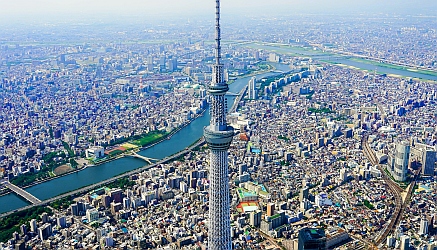
Discovering Tokyo: A Journey of the Senses and the Soul Tokyo, Japan’s capital, is a mesmerizing blend of contrasts where futuristic skyscrapers rise beside ancient temples, and centuries-old traditions coexist with the most advanced technology on earth. A visit to Tokyo feels like stepping into the future while walking through history. The city pulses with energy, creativity, and a unique sense of order amid its vast complexity. Tokyo is not merely a destination, but it’s an experience that transforms and inspires. It’s a city where past and future coexist in perfect balance, where every street corner offers a story, and every encounter teaches something about grace, precision, and humanity. In Japan Tours, Tokyo is a must-see destination. In this post, we’ll explore Tokyo and discover the fascinating story of the city’s Jewish and Israeli community, including the remarkable work of Beit Shalom and the enduring friendship between Japan and the Jewish people. Tokyo: Culture of Harmony in Diversity At the heart of Tokyo’s identity lies its culture, built on a delicate balance between discipline and creativity, between the old and the new. The Japanese concept of “wa” (harmony) shapes every aspect of life here. It’s reflected in the graceful gestures of daily interactions, the minimalist beauty of design, and the collective respect that binds society together. Tokyo’s cultural world is vast and layered. Visitors can experience the ancient elegance of a tea ceremony, the spectacle of sumo wrestling, or the pop-culture wonderland of Harajuku and Akihabara. The city’s museums, from the Edo-Tokyo Museum to the Mori Art Museum, celebrate both national heritage and cutting-edge creativity. Every experience, from the quiet hum of a sushi bar to the perfection of a kimono fitting, reflects the Japanese devotion to detail and the pursuit of excellence — qualities that make Tokyo’s culture unforgettable. Energy, Elegance, and Endless Inspiration in Tokyo Tokyo’s atmosphere is an intoxicating mix of motion and mindfulness. It’s a city that never sleeps, yet never loses its calm. The world-famous Shibuya Crossing, where thousands move in synchronized flow, is balanced by the serenity of the Meiji Shrine, where soft light filters through towering cedar trees. Each neighborhood feels like a world of its own: * Asakusa preserves the charm of old Edo with its temples and traditional shops. * Ginza shines with haute couture and Michelin-starred dining. * Shinjuku pulses with nightlife, entertainment, and neon dreams. * Daikanyama and Nakameguro exude understated elegance, perfect for strolls and coffee breaks. This ever-shifting contrast between pace and peace defines Tokyo’s spirit. It’s a city that constantly moves forward, but never forgets where it came from. Architecture: Where Innovation Meets Aesthetic Precision Few cities in the world showcase architectural diversity as striking as Tokyo’s. The skyline merges ancient wooden temples with ultra-modern glass towers, unified by the Japanese devotion to balance, simplicity, and form. Landmarks like the Tokyo Skytree, Tokyo Tower, and Roppongi Hills Mori Tower symbolize progress and creativity, while historical gems such as Senso-ji Temple in Asakusa and Zojo-ji Temple near Tokyo Tower remind visitors of the city’s spiritual roots. Modern Japanese architects have transformed Tokyo’s landscape with buildings that emphasize natural light, harmony with the environment, and sustainable materials. Even the city’s cafes, bookstores, and subway stations feel thoughtfully designed, attesting to the concept that in Tokyo, aesthetics are a way of life. Nature’s Calm Amid the Concrete Jungle Amid skyscrapers and electric avenues, Tokyo offers pockets of peace. The city is surprisingly green, with countless parks, rivers, and gardens that reveal Japan’s reverence for nature. The Shinjuku Gyoen National Garden blends Japanese, English, and French landscape designs, offering tranquility in the heart of the metropolis. Ueno Park, famous for its cherry blossoms, transforms into a sea of pink each spring, while Hamarikyu Gardens near Tokyo Bay preserves the elegance of Edo-period landscaping. Beyond the city, Tokyo’s skyline frames Mount Fuji on clear days — a sacred symbol and a source of artistic inspiration for centuries. Each season brings its own magic: cherry blossoms in spring, fireworks in summer, maple leaves in autumn, and snow-dusted temples in winter. Tokyo reminds us that nature and urban life can coexist beautifully, in perfect Japanese harmony. Japan and the Jewish People: A Story of Friendship and Humanity Japan’s connection with the Jewish people has roots in compassion and courage. During World War II, Chiune Sugihara, the Japanese vice-consul in Lithuania, risked his career and life to issue thousands of transit visas to Jewish refugees fleeing the Holocaust. Thanks to his bravery, over 6,000 Jews found safe passage to freedom. Sugihara’s legacy lives on as a symbol of moral courage and humanity, and he is honored in Israel as Righteous Among the Nations. The Jewish and Israeli Community in Tokyo Though Japan’s Jewish population is small, Tokyo is home to a thriving, welcoming Jewish community that brings together residents, expatriates, and travelers from around the world. Jewish life here is anchored by several key institutions that together create a warm, vibrant network. At the center is Chabad of Japan, located in the Minato ward. It offers Shabbat and holiday services, kosher meals, Torah study, and Jewish hospitality. For travelers and residents alike, Chabad is a comforting place to celebrate tradition, share meals, and connect with fellow Jews from all walks of life. Another cornerstone is the Jewish Community of Japan (JCJ), founded in the 1950s and based in Shibuya. The JCJ functions as both a synagogue and a cultural center, hosting services, Hebrew lessons, social events, and community celebrations. Its peaceful, minimalist design reflects a blend of Jewish warmth and Japanese aesthetics. A unique and inspiring part of Jewish life in Japan is Beit Shalom, the Messianic Jewish community of Japan. Founded in Kyoto and active in Tokyo, Beit Shalom promotes friendship, understanding, and solidarity between the Japanese and Jewish people. The community is famous for its Beit Shalom Choir, which performs Hebrew songs both in Japan and in Israel, symbolizing the spiritual and cultural bridge between the two nations. Beit Shalom’s members are deeply connected to Jewish history and the State of Israel, often participating in cultural exchanges, concerts, and educational projects that spread awareness of Jewish heritage. Their work goes beyond faith, and it’s about shared humanity, peace, and respect. Kashrut in Tokyo: Essential Tips for Jewish Travelers Compared to other Asia Tours in general, and Japan in particular, traveling kosher in Tokyo is easy, thanks to a growing awareness of dietary needs, the support of the local Jewish community, and Japan’s unmatched hospitality. While kosher options remain limited compared to larger Jewish centers abroad, thoughtful planning and local guidance can make your stay in Tokyo (and beyond) both comfortable and delicious. 1. Chabad of Japan – Your Primary Kosher Hub The Chabad of Japan, located in Minato-ku, Tokyo, is the heart of kosher life in the country. They provide: * Freshly prepared kosher meals for weekdays and Shabbat (by advance reservation). * Kosher catering and meal delivery throughout Tokyo and other major Japanese cities. * Weekly Shabbat services and warm hospitality for travelers and residents. * A small kosher shop with imported goods such as wine, snacks, and frozen meals. It’s highly recommended to contact Chabad in advance, especially if you plan to be in Tokyo for Shabbat or Jewish holidays. The atmosphere is welcoming, the meals are generous, and the experience of joining Jews from all over the world in Japan is something truly special. 2. Kosher and Israeli Food Options in Tokyo While fully kosher-certified restaurants are rare outside Chabad, a few Israeli-owned and vegetarian-friendly cafes can offer a taste of home. Some high-end hotels also accommodate kosher requests if notified ahead of time. Tokyo’s service culture is deeply respectful, and with clear communication, many chefs will go out of their way to assist. 3. Kosher Grocery Shopping Tokyo has several excellent international supermarkets with imported kosher products, including: * National Azabu (Hiroo): A favorite among expats; carries kosher wines, cereals, and snacks. * Nissin World Delicatessen (Azabu-Juban): Offers kosher-certified items with hechsherim from Israel and the U.S. * Seijo Ishii: A local gourmet chain that often stocks Israeli products such as tahini, olive oil, and dates. If you’re staying longer or keeping strict kosher, consider bringing vacuum-sealed or shelf-stable meals from home, or order supplies through Chabad before arrival. 4. Shabbat and Jewish Holidays in Tokyo Celebrating Shabbat in Tokyo is a truly uplifting experience. Services at Chabad or at the Jewish Community of Japan (JCJ) in Shibuya are warm and welcoming, with visitors from all over the world. Both communities host Shabbat dinners, holiday celebrations, and festive meals that allow travelers to connect deeply with Jewish life in Japan. During holidays such as Rosh Hashanah, Passover, and Sukkot, both institutions organize full programs, including prayer services, kosher catering, and traditional foods, often with a Japanese twist in presentation and hospitality. 5. Kashrut and Japanese Cuisine: What to Know Japanese cuisine offers some naturally kosher-style options, but observant travelers should remain cautious: * Fish: Only species with fins and scales are kosher. Avoid eel, shellfish, and octopus. * Rice and noodles: Plain rice is fine, but many sauces (like soy sauce or mirin) contain alcohol or non-kosher ingredients. * Vegetarian dishes: Even vegetable soups or sauces may include dashi (fish stock), so confirm before ordering. * Beverages: Green tea and bottled drinks are generally safe. Avoid alcohol without certification. For convenience, many travelers rely on Chabad meals, pre-packaged kosher foods, or self-catering with local produce and imported ingredients. Final Tip: Consider Joining a Kosher Tour of Japan For travelers seeking comfort, convenience, and community, joining an organized kosher tour of Japan is an excellent option. A kosher tour allows you to enjoy Japan’s highlights, with professional guidance, Hebrew-speaking tour leaders, and certified kosher meals throughout. Kosher tours typically include Shabbat arrangements, kosher dining throughout the trip, and insights into Japan’s Jewish heritage, such as the story of Chiune Sugihara and the legacy of the Jewish refugees who found safety here. Joining a group not only simplifies logistics but also enriches your journey through shared experiences, spiritual connection, and the joy of exploring Japan with fellow Jewish travelers. For travelers who want a more complete experience of Japan beyond Tokyo and seek the perfect balance of comfort, culture, and kashrut, consider joining our Japan Tour. A kosher tour through Tokyo, Kobe, Hiroshima, Miyajima, Kyoto, and Osaka offers the best of all worlds: a seamless journey through Japan’s beauty, history, and heart.