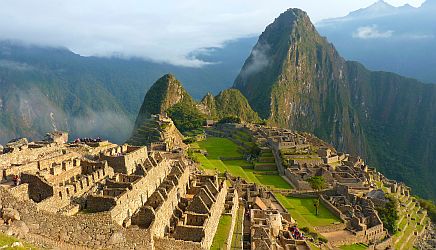
Peru: A Journey Through Ancient History and Dramatic Landscapes Peru is a land of awe-inspiring contrasts, where nature’s grandeur meets humanity’s enduring legacy. From towering mountain ranges to lush rainforests and from ancient civilizations to vibrant contemporary culture, a journey through Peru is an unforgettable experience of discovery. Peru is a country that defies easy categorization. Its landscapes, from the soaring peaks of the Andes to the depths of the Amazon, are as varied as its cultural heritage. As we stand in the shadow of ancient ruins or explore the bustling markets of modern cities, Peru offers an experience rich in history, culture, and natural beauty. The atmosphere of this land, charged with the echoes of the past and the vitality of the present, leaves an indelible mark on all who journey through it. The Andean Majesty: Mountains That Touch the Sky The Andean range dominates the Peruvian landscape with breathtaking grandeur. Towering peaks, many cloaked in snow, rise dramatically above verdant valleys. The air here is crisp and thin, heightening our awareness of the sheer scale of the natural world around us. The Andes are not just a mountain range but the backbone of the country, cutting a majestic path across its heart and shaping its history. As we journey through the Sacred Valley, a region nestled between the towering Andes, we are enveloped in an atmosphere of mysticism and tranquility. The light that filters through the peaks seems almost sacred, painting the terraced fields in hues of gold and green. These terraces, carved into the mountainsides by the ancient Inca, are a testament to the ingenuity of a civilization that thrived amidst these challenging landscapes. The silence of the valley, broken only by the gentle hum of the wind, invites reflection and a deep connection with the past. Machu Picchu: The Lost City of the Incas Perhaps the most iconic symbol of Peru’s ancient history is Machu Picchu, the fabled Incan city perched high on a mountain ridge. Shrouded in mist and mystery, it emerges from the clouds like a dreamscape, suspended between the heavens and the earth. As we step onto the terraces of this UNESCO World Heritage site, there’s a palpable sense of awe – a feeling that time has stood still, preserving the grandeur of a civilization that once reigned here. The stonework of Machu Picchu is a marvel of engineering, with precisely cut stones fitted together without mortar. This technique has allowed the city to withstand centuries of earthquakes and erosion. As we explore its temples, plazas, and dwellings, the atmosphere is charged with a deep respect for the spiritual and architectural prowess of the Inca. The panoramic views of the surrounding mountains, often veiled in swirling clouds, enhance the otherworldly atmosphere, making it easy to understand why this site was once considered sacred. The Altiplano: A Land of Stark Beauty To the south of the Andes lies the Altiplano, a high-altitude plateau that stretches across the borders of Peru, Bolivia, and Chile. This stark landscape, with its arid plains and isolated lakes, offers a raw beauty that contrasts with the lushness of the Sacred Valley. The atmosphere here is one of isolation and timelessness, where the vast expanses of land stretch into infinity, and the distant peaks appear like sentinels standing watch over the land. Lake Titicaca, the largest lake in South America and the highest navigable lake in the world, lies at the heart of this region. Its deep blue waters, set against the backdrop of snow-capped mountains, are a striking sight. Beyond its physical beauty, the lake holds immense cultural and spiritual significance. According to Incan mythology, it was from the waters of Lake Titicaca that the first Inca king, Manco Cápac, and his sister-wife, Mama Ocllo, emerged to establish the Inca Empire. As we glide across the lake, the tranquility of its waters and the sacred aura of the surrounding landscape seem to transport us back to the time of the Incas. The indigenous communities that still inhabit the islands of Lake Titicaca, such as the Uros people who live on floating reed islands, offer a glimpse into a way of life that has remained essentially unchanged for centuries. The simplicity of their existence and the harsh beauty of their environment create an atmosphere of timelessness that feels far removed from the modern world. The Amazon Rainforest: A Lush, Teeming Wilderness In stark contrast to the arid landscapes of the Altiplano is the lush, vibrant world of the Amazon rainforest. Stretching across the eastern part of Peru, the Amazon is one of the most biodiverse regions on earth. The air here is thick with humidity and the scent of vegetation, creating an almost primordial atmosphere as though we’ve stepped back into an ancient, untamed world. As we journey deeper into the jungle, the dense canopy above us filters the sunlight, casting the forest floor in a cool, green glow. The sounds of the rainforest – the calls of exotic birds, the rustle of leaves, and the distant roar of howler monkeys – create a constant symphony of life that reminds us of the richness and vitality of this ecosystem. The Amazon is not just a forest but a living, breathing entity that pulses with energy and life. The indigenous tribes that inhabit the Peruvian Amazon, such as the Asháninka and the Shipibo-Conibo, have lived in harmony with this environment for millennia. Their deep connection to the land and their knowledge of the forest’s medicinal plants, animals, and rhythms offer a fascinating insight into a way of life that is intricately linked to the natural world. The atmosphere of the Amazon is one of both serenity and intensity, a place where life exists in its most raw and vibrant form. Colonial Splendor in Cusco While Peru is renowned for its pre-Columbian heritage, its colonial past is equally captivating. The city of Cusco, once the capital of the Inca Empire, bears the marks of Spanish conquest in its architecture and urban layout. As we walk through Cusco’s narrow, cobblestone streets, the blending of Incan and colonial influences is evident at every turn. The imposing Cathedral of Santo Domingo, built atop the Inca Temple of the Sun (Qorikancha) ruins, symbolizes this fusion of cultures. Spanish baroque artistry merges with indigenous motifs, creating a unique atmosphere reflecting Peru’s complex history. The energy of Cusco is palpable, a lively blend of the old and new, where the past is constantly in conversation with the present. Plazas filled with bustling markets and vibrant street performances offer a taste of the local culture. At the same time, quiet alleys reveal the remnants of Incan walls, and their seamless stone construction is a reminder of the advanced engineering skills of ancient civilization. The atmosphere here is vibrant and layered, a living tapestry of history that invites exploration and reflection. The Nazca Lines: Mysteries Etched in the Desert Moving away from the highlands and the lush rainforests, we encounter one of Peru’s most enigmatic landscapes – the coastal deserts, home to the ancient and mysterious Nazca Lines. These vast geoglyphs, etched into the desert floor over a thousand years ago, remain among the world’s most fantastic archaeological puzzles. Spread over hundreds of square miles, the lines depict animals, plants, and geometric shapes visible only from the air. As we soar in a small plane above the desert, the Nazca Lines unfold beneath us like a giant canvas. The arid, monochrome landscape contrasts sharply with the intricate designs below, and scholars still debate their purpose. Were they astronomical markers, religious symbols, or something else entirely? The atmosphere of this place is one of mystery and wonder, a reminder of how much there is still to learn about the ancient peoples who once inhabited this land. Peruvian Culture: A Tapestry of Traditions Peru’s culture is as diverse and vibrant as its landscapes. From the traditional music and dance of the Andean highlands to the colorful festivals that bring communities together, the spirit of Peru is woven into the fabric of everyday life. In cities and villages alike, we find a deep sense of pride in heritage, a respect for tradition, and a passion for life that permeates the atmosphere. The markets of Peru are a sensory feast, with stalls overflowing with brightly colored textiles, handcrafted pottery, and fresh produce. The warmth and hospitality of the Peruvian people are evident in every interaction, creating a welcoming atmosphere that makes us feel at home. A Kosher Tour to Peru Traveling to Peru with an organized group tour offers a host of advantages that make the experience both enriching and stress-free. First and foremost, group tours provide expert guides who bring Peru’s history, culture, and landscapes to life. Their local knowledge enhances every aspect of the journey, from exploring ancient Incan ruins to navigating the vibrant markets of Cusco. Another key benefit is the logistical ease. Traveling in a group means all transportation, accommodations, and activities are arranged in advance, allowing us to focus entirely on enjoying the experience rather than managing the details. It also ensures smooth access to popular sites like Machu Picchu, where tickets and permits can be challenging to secure independently. Group tours also foster camaraderie among travelers, creating a sense of shared adventure. Exploring Peru’s vast landscapes, from the Amazon rainforest to the Andes, with like-minded individuals enhances the atmosphere of discovery and connection. In addition, an organized tour often provides access to unique experiences that may not be available to solo travelers, such as private tours of historical sites or interactions with local communities. Altogether, it’s an efficient, immersive, and rewarding way to experience Peru’s wonders. Finally, for Jewish travelers, an organized Kosher tour to Peru offers the added benefit of Kosher food while exploring the country’s rich landscapes and culture. With Kosher meals carefully planned and provided throughout the journey, travelers can enjoy Peru’s diverse culinary offerings without concern. Additionally, the sense of community among fellow Jewish travelers enhances the experience, offering shared traditions and meaningful connections. The tour may also incorporate visits to local synagogues and Jewish heritage sites, providing a deeper cultural and spiritual dimension to the trip, making it both a fulfilling and worry-free experience for observant travelers. With Kesher Kosher Tours, we will visit the following cities and sites: Lima, Paracas, Cusco, Urubamba, and Machu Picchu.