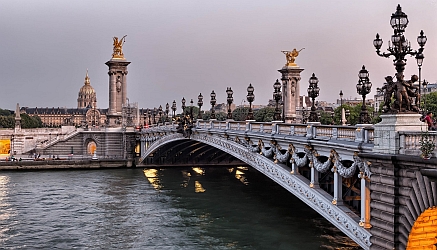
Discovering France: A Journey Through Beauty, History, and Memory in the Heart of Europe There is no other country quite like France. From the rolling vineyards of Bordeaux to the lavender fields of Provence, from the grandeur of Parisian boulevards to the rugged cliffs of Normandy, France enchants travelers with an irresistible blend of elegance, history, and passion. A journey through France is an immersion into centuries of art, architecture, cuisine, and culture that have shaped Western civilization. Of all Europe Tours, France is one of the most popular destinations. For those seeking a deeper experience, France also offers a moving exploration of Jewish history and heritage, woven into its cities, villages, and monuments. This is a country that has known moments of triumph and tragedy, of flourishing Jewish life and deep struggle, yet remains today one of the largest and most vibrant Jewish centers in Europe. A tour through France is a journey for the senses and the soul. It is a country that seduces with its landscapes, inspires with its history, and moves with its spirit of resilience. For Jewish travelers, France offers not only a celebration of beauty and culture but also a profound connection to centuries of heritage and identity. The Landscapes of France: Nature’s Endless Canvas France’s landscapes are as diverse as they are breathtaking. In the north, Normandy’s emerald pastures and dramatic coastlines whisper stories of ancient invasions and liberation battles. Brittany, with its rugged cliffs and Celtic spirit, offers untamed beauty where land and sea collide. Traveling southward, the Loire Valley opens up like a fairytale with châteaux rising above meandering rivers, framed by vineyards and blooming gardens. The Alps, crowned by Mont Blanc, lure adventurers year-round with their pristine snowcaps and crystal lakes. In Provence, the air carries the scent of lavender and thyme, as golden sunlight bathes medieval villages perched on hilltops. Farther west, Bordeaux’s vineyards stretch endlessly, producing some of the finest wines in the world. And along the Côte d’Azur, the French Riviera dazzles with Mediterranean charm, where turquoise waters meet elegant promenades, and every sunset feels like a painting come to life. France: A Living Tapestry of History Every corner of France tells a story. Paris, often called the “City of Light,” is a living museum of centuries past and present, home to Notre-Dame Cathedral, the Louvre, and the grand boulevards envisioned by Baron Haussmann. Here, revolution and romance coexist in timeless harmony. In the north, the beaches of Normandy recall the heroism of D-Day and the liberation of Europe during World War II. In the east, the fortified city of Carcassonne stands as a medieval marvel, its towers and battlements seemingly frozen in time. Versailles speaks of royal opulence, while the cobbled streets of Avignon echo with the chants of medieval popes. Lyon, a UNESCO World Heritage Site, tells tales of the Renaissance and French gastronomy alike. Each region, each monument, each stone contributes to the layered narrative of a nation that shaped art, philosophy, and human rights as we know them. Culture, Cuisine, and the French Art de Vivre To understand France, one must embrace its art de vivre (the art of living). French culture is built upon appreciation: for beauty, conversation, cuisine, and creativity. France has long been a cradle of artistic genius: from the impressionist masterpieces of Monet and Renoir to the symphonies of Debussy, from the philosophy of Voltaire to the literature of Victor Hugo. Food, of course, is central to French identity. Each region boasts its own culinary traditions: buttery croissants and rich sauces in Paris, cassoulet in Toulouse, bouillabaisse in Marseille, and delicate pastries in every patisserie. Meals are not hurried but celebrated – a time for connection, laughter, and pleasure. The French also take pride in their festivals and traditions. Bastille Day, the Cannes Film Festival, and the grape harvests of Burgundy all offer glimpses into a culture that honors both heritage and innovation. In France, every experience, from sipping espresso in a Paris café to wandering through a Provençal market, feels imbued with grace and intention. Jewish History in France: From Medieval Flourishing to Modern Resilience The Jewish presence in France spans over a thousand years, marked by both brilliance and hardship. Jewish communities flourished in medieval centers such as Troyes, home to the great scholar Rashi, whose biblical and Talmudic commentaries remain pillars of Jewish learning. Throughout the Middle Ages, Jewish life alternated between prosperity and persecution. The expulsions of the 12th and 14th centuries, followed by the French Revolution, dramatically reshaped the Jewish experience. The Revolution’s promise of equality brought emancipation. It opened new doors for Jewish participation in public life, allowing France to become the first European country to grant full citizenship to Jews in 1791. In the 19th century, Jewish culture and intellect blossomed in France. Figures such as Marcel Proust, Jacques Offenbach, and Léon Blum (France’s first Jewish prime minister) contributed immensely to national life. However, the 20th century brought both tragedy and renewal. During World War II, under the Vichy regime, tens of thousands of French Jews were deported to Nazi concentration camps. Memorials throughout France, such as the Vel’ d’Hiv monument in Paris, stand as solemn reminders of this dark chapter. Jewish Heritage and Sites to Visit Traveling through France today, one encounters powerful traces of Jewish history interwoven with the nation’s broader story. In Paris, the Marais district remains the historic heart of Jewish life. Once home to Jewish immigrants from Eastern Europe, it is now a vibrant neighborhood filled with synagogues, bakeries, bookstores, and kosher restaurants. The Shoah Memorial and the Museum of Jewish Art and History provide moving insights into the resilience and contributions of French Jewry. In Alsace, the towns of Strasbourg and Colmar reveal centuries-old synagogues and cemeteries that testify to the enduring presence of Jewish communities in the region. Carpentras, in Provence, boasts one of the oldest functioning synagogues in France, dating back to the 14th century. In Bordeaux, Jewish merchants once played key roles in international trade. At the same time, Nice and Marseille became essential centers for Sephardic Jews, many of whom arrived from North Africa in the 20th century. Across France, Jewish heritage trails and restored synagogues invite visitors to connect with a story of perseverance and faith that continues to inspire. The Jewish Community in France Today France is home to the largest Jewish community in Europe, and the third largest in the world after Israel and the United States. Today, over half a million Jews live primarily in Paris, Marseille, Lyon, Toulouse, and Strasbourg. The community is diverse, blending Ashkenazi traditions with vibrant Sephardic influences from North Africa. Jewish schools, cultural centers, and organizations thrive, maintaining a strong sense of identity while actively engaging with French society. Kosher restaurants, bakeries, and shops are easy to find in major cities, and Jewish festivals such as Hanukkah and Purim are celebrated with lively public events. Despite challenges, including episodes of antisemitism in recent years, France’s Jewish community remains deeply rooted and proud. It continues to contribute richly to the nation’s intellectual, cultural, and political life, standing as a testament to endurance, renewal, and the universal values of liberty, equality, and fraternity. Practical Guide and Tips for Jewish Travelers in France France welcomes visitors of faith with open arms, offering opportunities not only to explore its treasures but also to honor a living heritage that continues to inspire generations around the world. Exploring France as a Jewish traveler can be an enriching experience, offering not only encounters with art, history, and nature, but also with living Jewish culture and heritage. To make your journey both comfortable and meaningful, here are essential tips and guidance to help you plan your visit. 1. Finding Kosher Food Across France France is blessed with a well-developed kosher infrastructure, especially in major cities. * Paris offers the widest variety of kosher restaurants, bakeries, and grocery stores. The Marais district, 17th arrondissement, and the areas of Belleville and Rue Richer are known for their kosher establishments. From classic French patisseries to Middle Eastern cuisine, options are abundant. * Marseille, Lyon, and Nice also have strong Jewish communities and several kosher eateries. * When traveling in smaller towns or countryside regions, kosher food may be less accessible, so consider bringing packaged items or coordinating with your tour operator in advance. Many hotels can arrange kosher meals upon request if notified early. 2. Shabbat in France Celebrating Shabbat in France can be a highlight of your trip. * In Paris, several synagogues and Chabad centers welcome visitors for Friday night and Shabbat morning services. The Great Synagogue of Paris (La Victoire) and Chabad centers in the Marais and the Latin Quarter are especially visitor-friendly. * In smaller cities, look for local synagogues or contact community organizations ahead of time. * Walking-friendly neighborhoods and Shabbat-friendly accommodations (with manual keys and proximity to synagogues) are available in areas like the Marais and the 17th arrondissement in Paris, or near the old Jewish quarter in Marseille. 3. Visiting Synagogues and Jewish Heritage Sites France’s Jewish heritage is visible through beautifully preserved synagogues, museums, and memorials. * In Paris, visit the Shoah Memorial, Museum of Jewish Art and History, and historic synagogues like Rue des Tournelles and La Victoire. * Carpentras, in Provence, is home to the oldest active synagogue in France (built in 1367). * Strasbourg and Metz both feature elegant 19th-century synagogues and Jewish cemeteries dating back centuries. * Many sites offer guided tours, some in English, and tell the moving story of Jewish endurance, creativity, and faith. 4. Jewish Tours and Heritage Trails Several organizations and travel operators specialize in Jewish heritage tours in France. These tours connect historical landmarks with personal stories, guiding visitors through medieval Jewish quarters, Holocaust memorials, and modern cultural hubs. * Consider joining a Jewish walking tour in Paris, which includes the Marais district and sites associated with Rashi, Alfred Dreyfus, and World War II resistance movements. * The Alsace Jewish Heritage Route offers a fascinating drive through centuries-old synagogues, ritual baths (mikva’ot), and cemeteries in picturesque villages. * Consider joining a kosher tour with professional guides, which takes care of the logistics, kosher meals, Shabbat dinner, prayers, and itinerary suitable for religious Jewish travelers. 5. Jewish Holidays and Community Life If your trip coincides with Jewish holidays, France’s Jewish communities often host open events and services. * During Hanukkah, menorah lightings are held in public squares across Paris and other cities. * High Holidays and Passover services are conducted in most major cities. Advance reservations are highly recommended, especially for visitors. * You can find community listings and event updates through the Consistoire de Paris or local Chabad websites. 6. Safety and Awareness While France is safe and welcoming to visitors of all backgrounds, Jewish travelers should stay informed. * Synagogues and Jewish schools often have visible security, especially during holidays or Shabbat. * It’s wise to avoid wearing overt religious symbols in certain crowded or politically charged areas. * Always follow local news and official travel advisories for the most up-to-date guidance. 7. Planning Ahead with a Jewish Travel Focus * Kosher Travel: If you’re joining a kosher tour, many operators can arrange everything from kosher catering and Shabbat-friendly hotels to guided synagogue visits and historical lectures. For independent travelers, planning ahead ensures you won’t miss key sites. Many museums and memorials are closed on Mondays, while kosher restaurants often close early on Fridays for Shabbat.