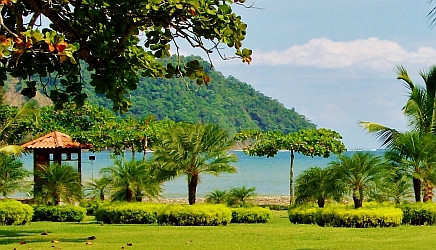
Discovering the Natural and Cultural Riches of Costa Rica Costa Rica, a small Central American gem between the Pacific Ocean and the Caribbean Sea, beckons travelers with its lush rainforests, misty mountains, and pristine beaches. This vibrant country is a paradise for nature lovers and adventure seekers alike, offering breathtaking landscapes, rich biodiversity, and a warm, welcoming culture steeped in centuries of history. As we delve into the heart of Costa Rica, we find ourselves surrounded by the wonders of nature, the whispers of the past, and the rhythms of local life that shape this incredible destination. In Costa Rica, nature, history, and culture converge to create an unforgettable experience. As we traverse its landscapes, from the cloud forests to the beaches, we are constantly reminded of the beauty and diversity that define this country. Its rich history, indigenous cultures, and colonial influences that shaped its towns add depth to the experience. At the heart of it all is the warmth of the people, their embrace of “pura vida” (pure life), and their unwavering commitment to preserving the natural world. In Costa Rica, we find not just a destination but a way of life – one that invites us to slow down, appreciate the wonders of the earth, and connect with the essence of living in harmony with nature. A Symphony of Landscapes: From Cloud Forests to Volcanoes Costa Rica is synonymous with natural beauty. The diversity of landscapes is nothing short of astonishing. The country offers an ever-changing backdrop of awe-inspiring scenery, from the emerald expanses of tropical rainforests to the towering volcanic peaks that dot the horizon. One of the most iconic landscapes is the mist-shrouded cloud forests, particularly in Monteverde. Walking through these forests feels like stepping into another world, where ancient trees are draped in mosses, ferns, and epiphytes, and the air is thick with moisture. The calm, foggy atmosphere adds a mystical quality to the surroundings, and the occasional call of a resplendent quetzal bird reminds us of the incredible biodiversity hidden within the dense canopy. Costa Rica is also home to volcanoes, many of them still active. The most famous is Arenal Volcano, whose perfect cone rises dramatically from the surrounding lowlands. Once one of the most active volcanoes in the world, Arenal now stands in peaceful slumber, though its imposing presence still captivates visitors. The nearby hot springs, fed by geothermal activity, offer a soothing respite in a landscape that constantly reminds us of the earth’s raw power. Beyond the volcanoes and forests, Costa Rica’s coastline offers yet another stunning contrast. On the Pacific side, the beaches range from rugged and wild to serene, with golden sands that stretch endlessly along the shore. The sunsets here are legendary, painting the sky in vibrant orange, pink, and purple hues while the waves gently lap at the shore. On the Caribbean side, the beaches have a different character, with palm-fringed shores and a laid-back vibe that feels almost untouched by time. A Deep Connection to the Land: Indigenous History and Traditions While Costa Rica is known for its natural wonders, its cultural landscape is equally rich. The country’s history is deeply intertwined with the land, and the indigenous peoples who have called this region home for thousands of years have left an enduring legacy. Though much of their history was disrupted by the arrival of Spanish colonizers, their traditions and connection to the land persist. The indigenous tribes, such as the Bribri, Cabécar, and Maleku, still inhabit various regions of the country, particularly in the remote mountains and rainforests. Their way of life is closely tied to nature, and they have long practiced sustainable agriculture, living in harmony with the environment. The Bribri people, for example, are known for their cacao cultivation, and visitors can learn about the traditional methods they use to grow and harvest this sacred crop. The cacao ceremonies, where chocolate is prepared in its purest form, provide a glimpse into their spiritual practices and the reverence they hold for the natural world. We can also explore Costa Rica’s pre-Columbian history through its archaeological sites, such as Guayabo, an ancient city that was once a thriving hub of indigenous civilization. The stone structures, aqueducts, and petroglyphs found here hint at a complex society that existed long before European contact. Walking among these ruins, surrounded by the sounds of the forest, we can almost imagine the daily lives of the people who once inhabited this place, their connection to the earth, and the rituals that shaped their community. Colonial Influences and Modern Identity The arrival of the Spanish in the 16th century dramatically changed Costa Rica’s cultural landscape. Colonization introduced new architectural styles, religious practices, and economic systems. Still, Costa Rica remained somewhat isolated due to its lack of precious resources like gold or silver, which kept it on the fringes of the Spanish Empire. This relative isolation allowed for a unique blending of cultures, as indigenous traditions persisted alongside the growing influence of European settlers. The colonial towns that dot Costa Rica’s highlands, such as Cartago and Heredia, offer a glimpse into the country’s past. Cobblestone streets wind through plazas dominated by whitewashed churches, and the colonial-era buildings exude a quiet charm. In these towns, we can see how the Spanish influence shaped Costa Rican society, particularly in the realm of religion. The Basilica of Our Lady of the Angels in Cartago is one of the most important religious sites in the country, and every year, thousands of pilgrims make their way to this church to pay homage to the Virgin of Los Angeles, the country’s patron saint. In the modern era, Costa Rica has forged a solid national identity emphasizing peace, education, and environmental stewardship. In 1948, the country boldly decided to abolish its military, channeling resources into education and healthcare instead. This progressive mindset has earned Costa Rica a reputation as a beacon of democracy and stability in Central America. As we explore the country, it’s clear that this commitment to peace and sustainability is reflected in every aspect of life, from the eco-conscious tourism industry to the vibrant arts scene that celebrates both tradition and innovation. A Vibrant Culture: The Heartbeat of Costa Rican Life Costa Rica’s cultural heartbeat is felt in its music, dance, and everyday life. The country’s music scene is a lively fusion of influences, from indigenous rhythms to African beats and Spanish guitar melodies. The marimba, a xylophone-like instrument, is often at the center of Costa Rican folk music, its upbeat tones evoking the spirit of celebration. In rural areas, traditional dances like the Punto Guanacasteco, characterized by its swirling skirts and lively footwork, are performed during festivals, offering a joyful glimpse into the country’s cultural heritage. Food is another important expression of Costa Rican culture, reflecting the country’s agricultural bounty. Gallo pinto, a dish of rice and beans seasoned with cilantro and spices, is a staple of Costa Rican cuisine, typically enjoyed for breakfast with eggs and tortillas. Casado, a hearty meal that includes rice, beans, plantains, and meat, embodies the country’s farm-to-table tradition with fresh, locally sourced ingredients. The flavors are simple yet comforting, reflecting Costa Rica’s agrarian roots and the importance of community. The “pura vida” lifestyle, which translates to “pure life,” is perhaps the most defining aspect of Costa Rican culture. More than just a saying, it’s a way of life that emphasizes gratitude, positivity, and a deep appreciation for the simple joys of life. Whether it’s taking the time to enjoy a leisurely cup of coffee in the morning or embracing a slower pace as we explore the stunning landscapes, the essence of “pura vida” can be felt in every interaction and moment. The Biodiversity Capital of the World Costa Rica’s biodiversity is one of its greatest treasures, and the country is considered one of the most biodiverse places on earth. Despite its small size, Costa Rica is home to more than 500,000 species, representing about 5% of the world’s total biodiversity. Its national parks and protected areas cover roughly a quarter of the country, making it a haven for wildlife enthusiasts. As we journey through Costa Rica’s national parks, such as Corcovado and Tortuguero, we are constantly reminded of the delicate balance of nature. Howler monkeys swing from tree to tree in the rainforests while brightly colored poison dart frogs hop among the undergrowth. Sloths move languidly through the trees in the wetlands and mangroves, and caimans glide silently through the water. Along the coasts, sea turtles return year after year to lay their eggs on the sandy shores, a ritual that has been repeated for millennia. Costa Rica is a paradise for birdwatchers. The country is home to more than 900 species of birds, including vibrant toucans, elusive quetzals, and dazzling scarlet macaws. The diversity of birdlife is a testament to the country’s commitment to conservation, and every sighting feels like a gift from the natural world. The Benefits of a Kosher Tour to Costa Rica Touring Costa Rica with an organized group offers an unparalleled experience, providing a well-rounded and hassle-free journey through this diverse and beautiful country. One of the key benefits is the expertise of local guides who possess in-depth knowledge of the country’s landscapes, history, and culture. With a guide, travelers can better understand Costa Rica’s biodiversity and conservation efforts, making visits to national parks, cloud forests, and volcanoes more enriching. Organized tours also handle all logistical aspects, from transportation to accommodations, allowing travelers to focus on enjoying the adventure without worrying about the details. Group tours foster a sense of community and shared experience, which can enhance the overall enjoyment of the trip. Traveling with like-minded individuals allows for new friendships and shared discoveries, creating memories that last a lifetime. Additionally, organized tours often provide access to destinations and activities that might be more challenging to arrange independently, such as visiting remote Indigenous communities or embarking on eco-adventures in less touristy areas. For Jewish travelers, participating in a Kosher tour offers significant advantages. These tours ensure that all meals comply with Kosher dietary laws, relieving travelers of the stress of finding suitable food in a foreign country. Additionally, many Kosher tours incorporate Shabbat-friendly itineraries, allowing observant Jews to explore Costa Rica while maintaining their religious practices. Traveling on a Kosher tour to Costa Rica also provides a sense of community and shared cultural experience, as fellow travelers often share similar values and traditions. It allows Jewish travelers to connect with Jewish heritage while enjoying the natural beauty and cultural richness of Costa Rica. Read more here >>>