August 17, 2026
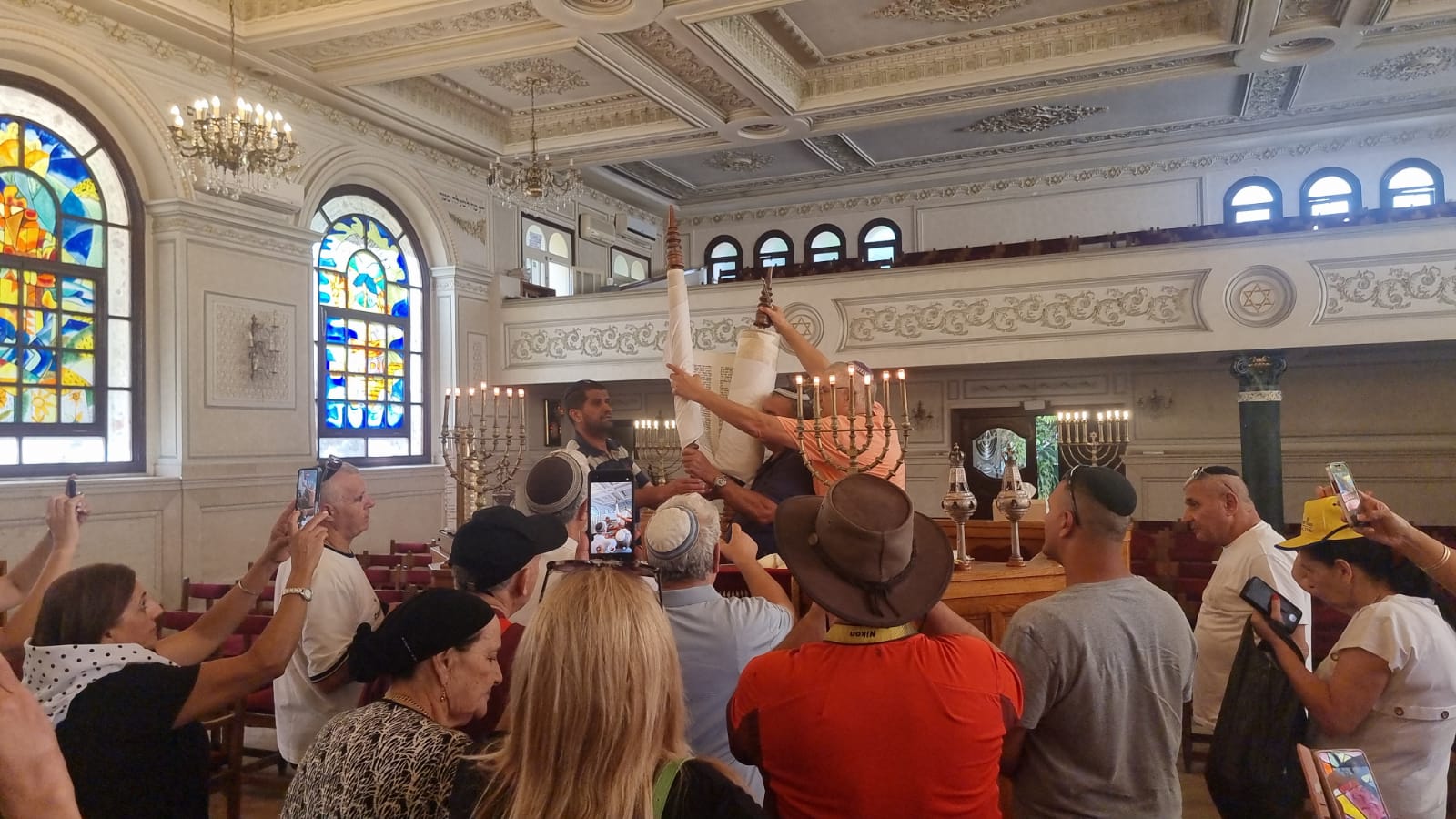
When travelers envision Morocco, their minds are instantly flooded with vibrant imagery: the labyrinthine alleys of the ancient medinas, the striking red sands of the Sahara, the snow-capped peaks of the Atlas Mountains, and the intoxicating aroma of spices wafting through bustling souks. However, for the Jewish traveler, Morocco offers something far more profound than a standard vacation. It is a gateway to a magnificent, centuries-old legacy. It is a place where Jewish history is intricately woven into the very fabric of the nation’s identity. Embarking on a journey to this North African kingdom is an opportunity to walk in the footsteps of revered sages, uncover a unique fusion of cultural traditions, and experience unparalleled hospitality. And today, thanks to meticulously planned itineraries, exploring this heritage doesn’t mean compromising on religious observance. You can delve deep into this enchanting world while enjoying world-class, Glatt Kosher Moroccan cuisine. Let’s explore the untold stories of Moroccan Jewry and discover why this destination should be at the top of your travel bucket list. The Toshavim and the Megorashim: A Tale of Two Communities To truly understand Moroccan Jewish history, one must look beyond a monolithic view of the community. Historically, Moroccan Jewry was shaped by the convergence of two distinct groups: the Toshavim (the residents) and the Megorashim (the expelled). The Toshavim were the indigenous Jews who arrived in North Africa in antiquity, with some traditions tracing their arrival back to the destruction of the First Temple in 586 BCE. Over millennia, they deeply integrated with the local Berber tribes, speaking Judeo-Arabic and various Amazigh dialects. They lived across the coastal plains and deep within the remote Atlas Mountains. In stark contrast, the Megorashim arrived much later, fleeing the Spanish and Portuguese Inquisitions at the end of the 15th century. These Sephardic exiles brought with them a sophisticated European-infused culture, the Haketia dialect (a mix of Spanish, Hebrew, and Arabic), and highly developed networks of global trade. Initially, the cultural differences between the rural, indigenous Toshavim and the cosmopolitan, aristocratic Megorashim created friction. Over time, however, these two groups blended, sparking a golden age of intellectual, economic, and spiritual prosperity. Understanding this duality enriches your experience as you embark on Jewish tours of Morocco. As you move from the sophisticated, Andalusian-influenced synagogues of Fez to the ancient, mud-brick Jewish shrines in the rural south, you are witnessing the physical legacy of both the Megorashim and the Toshavim. The Mellah: A Unique Royal Sanctuary A defining feature of any Moroccan city’s Jewish history is the Mellah, the traditional Jewish quarter. The first Mellah was established in Fez in 1438. The word itself is derived from the Arabic word for salt, likely because the quarter was built on a former salt marsh, or because the Jewish community held a royal monopoly on the salt trade. It is a common misconception to equate the Moroccan Mellah with the restrictive, oppressive ghettos of Eastern Europe. While European ghettos were designed to isolate and humiliate, the Mellah in Morocco was often built directly adjacent to the royal palace (the Dar al-Makhzen). This proximity was strategic; the Sultan recognized the immense value of his Jewish subjects—who served as royal advisors, financiers, artisans, and diplomats—and sought to protect them from occasional mob violence. Walking through the Mellah of Marrakech or Meknes today, you can still observe the distinct architectural differences from the Muslim medina. Jewish homes often featured exterior-facing balconies and windows, a stark contrast to the inward-looking Islamic courtyards. Hidden behind unassuming doors are magnificent synagogues, such as the Lazama Synagogue in Marrakech with its striking blue-and-white courtyard, and communal ovens where families once gathered to bake their Shabbat challah. Mysticism, Tzadikim, and the Magic of the Hillula Moroccan Judaism is renowned for its deep spiritual resonance, largely driven by its strong connection to Kabbalah (Jewish mysticism) and the veneration of Tzadikim (righteous saints). The Moroccan landscape is dotted with the tombs of over 600 recognized Jewish saints, many of whom are miraculously revered by the local Muslim population as well. This shared reverence highlights a unique historical coexistence. The spiritual peak of Moroccan Jewish life is the Hillula—the anniversary of a Tzadik’s passing. Far from being a somber occasion, a Hillula is a massive, joyous pilgrimage characterized by fervent prayer, the lighting of countless candles, rhythmic chanting of Piyutim (liturgical poems), and communal feasting. Visiting the resting places of luminaries like Rabbi Amram ben Diwan near Ouazzane or Rabbi Chaim Pinto in the coastal city of Essaouira provides a profoundly moving, transcendent experience that connects modern travelers to a vibrant spiritual past. The Culinary Masterpiece: Authentic and Glatt Kosher One cannot speak of Morocco without mentioning its food. Moroccan cuisine is a sensational tapestry of flavors, blending Berber earthiness, Andalusian refinement, and Mediterranean freshness. Think of slow-cooked tagines infused with saffron and ginger, fluffy couscous steamed to perfection, and Pastilla—a brilliant savory-sweet pie dusted with cinnamon and powdered sugar. For the observant Jewish traveler, experiencing authentic local cuisine abroad is often the greatest challenge. In the past, kosher travelers had to rely on packed suitcases full of dry goods or uninspiring foil-wrapped airline meals. Today, premium Morocco kosher travel has entirely revolutionized this paradigm. By joining a specialized tour, you are accompanied by expert Mashgichim (kosher supervisors) and gourmet chefs who understand the nuances of local cuisine. They source the finest Glatt Kosher meats and fresh, vibrant local produce to recreate authentic Moroccan dishes strictly according to Halacha. Imagine sitting in a luxurious, mosaic-tiled Riad courtyard, savoring a rich, slow-cooked lamb and prune tagine, accompanied by a dizzying array of traditional Moroccan salads (like Matboucha and Zaalouk), all with the absolute peace of mind that every single ingredient meets the highest standards of Glatt Kosher supervision. It is a seamless marriage of physical indulgence and spiritual integrity. Bridging Generations Through Travel Morocco’s rapidly modernizing infrastructure, combined with its deep historical roots, makes it an exceptional destination for multi-generational travel. It is a place where grandparents can comfortably explore their heritage, passing down family stories to wide-eyed grandchildren as they walk through the very streets their ancestors once called home. With luxury air-conditioned coaches, high-end accommodations, and carefully paced itineraries, the country is highly accessible. This makes it a highly sought-after destination for Jewish senior travel, ensuring that older adults can explore safely, comfortably, and at an enjoyable pace without worrying about logistical hurdles. Furthermore, because of the diverse microclimates—ranging from the breezy Atlantic coast in Casablanca and Rabat to the cooler altitudes of the Atlas Mountains—Morocco is surprisingly versatile year-round. It is increasingly popular for families seeking meaningful summer kosher vacations that offer a break from the ordinary, replacing standard beach resorts with an enriching, identity-building adventure while the kids are out of school. Morocco is not just a place you visit! it is a place you feel. It is a symphony of colors, sounds, and flavors that echoes with the prayers and poetry of a magnificent Jewish past. By choosing a dedicated heritage tour, you are gifting yourself more than a vacation. You are embarking on a seamless, Glatt Kosher journey that honors your roots, delights your senses, and bridges the gap between ancient history and modern luxury. Pack your bags—the magic of Morocco awaits.