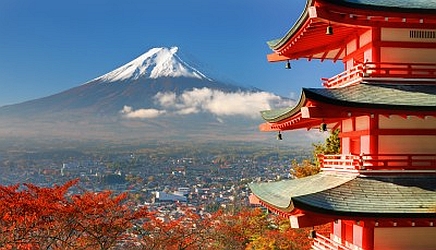
Japan – The Land of Contrasts: From Mountains to Modern Metropolises In Japan, breathtaking natural landscapes and cutting-edge urban life exist in perfect harmony. As we step into the Land of the Rising Sun, we are greeted by an astounding diversity of scenery. Towering mountains, serene coastal vistas, and verdant countryside paint a picture of natural splendor that seems almost otherworldly. Mount Fuji, with its iconic snow-capped peak, stands as a symbol of Japan’s natural beauty and cultural significance, inspiring countless works of art and literature over centuries. Yet, Japan’s attraction is not limited to its nature alone. Urban centers such as Tokyo, Osaka, and Kyoto are vibrant hubs where futuristic skyscrapers share space with ancient temples and traditional wooden Machiya houses. In these cities, neon-lit streets pulse with life, offering a thrilling juxtaposition to the tranquility of Japan’s rural landscapes. This seamless blending of the old and the new makes Japan’s landscapes so unique and captivating. Japan is not just a destination but an experience that stays with us. The landscapes, history, atmosphere, and culture we encounter are etched in our hearts. Japan is a country that cannot be fully known in a single visit. Each tour reveals new facets, stories, and wonders, ensuring that the allure of this extraordinary land remains eternal. A Stroll Through Time: The History of Japan Japan’s rich tapestry of history unfolds like an epic narrative as we explore its ancient sites and monuments. From the prehistoric Jōmon period to the rise of the samurai class and the imperial dynasties, each era has left its indelible mark on the nation’s identity. Kyoto, once the imperial capital, holds a treasure trove of historical wonders. Walking through its cobbled streets, we find ourselves surrounded by meticulously preserved temples such as Kinkaku-ji, the Golden Pavilion, whose gilded façade shimmers in the sunlight, and Fushimi Inari Taisha, with its seemingly endless torii gates. In Nara, the grandeur of Todai-ji Temple, home to the Great Buddha, speaks of the profound influence of Buddhism on Japanese culture. Meanwhile, Hiroshima and Nagasaki are poignant reminders of the resilience and hope that emerged from the shadows of World War II. The Peace Memorial Park in Hiroshima is a place of solemn reflection, urging us to remember the past while advocating for a future of harmony. The Spirit of Japan Every corner of Japan resonates with a unique atmosphere, a blend of serenity and vitality deeply rooted in the nation’s way of life. Traditional ryokans (inns) offer us a chance to experience Omotenashi, the Japanese spirit of hospitality, with their impeccable service and tranquil settings. Here, time slows as we slip into yukata robes, savor seasonal kaiseki meals, and soak in onsen baths fed by natural hot springs. Seasonal beauty plays a vital role in shaping Japan’s atmosphere. Cherry blossoms in spring transform the country into a dreamscape of pink and white blooms, while the vibrant hues of autumn leaves cast a fiery glow across the landscape. In winter, snow-covered villages such as Shirakawa-go offer a glimpse into a quieter, more intimate Japan. Alternatively, summer brings colorful festivals like Gion Matsuri in Kyoto and Nebuta Matsuri in Aomori, which fill the air with celebration and energy. Even in the bustling cities, there is a sense of order and calm. The quiet reverence of commuters on Tokyo’s packed trains, the meticulous attention to detail in everything from food presentation to packaging, and the prevalence of small, Zen-inspired gardens all contribute to an underlying sense of harmony that defines Japan’s atmosphere. The Essence of Culture: Traditions and Innovations Japanese culture is a kaleidoscope of traditions that have evolved over millennia, interwoven with modern innovations. The art of the tea ceremony, or Chanoyu, epitomizes the Japanese ethos of mindfulness and simplicity. We find ourselves drawn into this ritual, where every movement and gesture is imbued with grace and intention. Similarly, the practice of Ikebana, or flower arranging, reveals a profound appreciation for nature and symmetry. Martial arts such as Kendo, Judo, and Sumo are not merely physical disciplines but spiritual pursuits, reflecting respect, perseverance, and self-mastery values. As we watch a sumo bout or a kendo demonstration, we gain a deeper understanding of the philosophies that underpin these ancient practices. Cuisine is another vital aspect of Japanese culture. Sushi, ramen, tempura, and wagashi (traditional sweets) are more than just food; they are expressions of regional diversity and culinary artistry. From the bustling markets of Tsukiji to the intimate atmosphere of a sushi counter, dining in Japan is an experience that engages all the senses. Pop culture, too, has become a global phenomenon. Japan’s creative industries, from anime and manga to J-pop and gaming, captivate audiences worldwide. Walking through Akihabara in Tokyo or Den Den Town in Osaka, we immerse ourselves in the vibrant energy of this modern cultural movement. Sacred Spaces: The Spiritual Heart of Japan Japan’s spiritual heritage is deeply intertwined with its natural surroundings. Shinto shrines’ characteristic red torii gates are often nestled amidst forests or near water, emphasizing the connection between the divine and the natural world. Meiji Shrine in Tokyo and Ise Grand Shrine in Mie are among the most revered, offering peaceful retreats amid bustling environments. Buddhist temples, too, exude an aura of tranquility and reflection. With its iconic rock garden, Zen temples such as Ryoan-ji in Kyoto invite contemplation and introspection. Pilgrimage routes like the Kumano Kodo in the Kii Peninsula lead us through ancient paths, offering a spiritual journey through nature and history. Festivals, or Matsuri, play a significant role in honoring Japan’s spiritual traditions. The lantern-lit streets during Obon, a festival dedicated to honoring ancestors, create a mystical atmosphere that stays with us long after the event ends. The Rhythm of Rural Japan Beyond the bustling cities lies the heart of rural Japan, where life moves to a slower, more meditative rhythm. The traditional thatched-roof houses of Shirakawa-go and Gokayama, designated UNESCO World Heritage Sites, transport us to an era untouched by modernity. In the Japanese Alps, the villages of Takayama and Matsumoto captivate with their timeless charm, showcasing well-preserved Edo-period architecture and local craftsmanship. The island of Shikoku offers a more intimate glimpse of rural life, with its lush landscapes and the ancient Shikoku Pilgrimage, a journey through 88 Buddhist temples. On the other hand, Hokkaido, Japan’s northernmost island, enchants with its wide-open spaces, wildflower meadows, and snow-covered plains. A Journey Beyond the Senses As we journey through Japan, we are constantly reminded that this land engages all our senses. The sound of a bamboo forest swaying in the wind, the scent of incense wafting through temple courtyards, the taste of freshly brewed matcha, the sight of Mount Fuji bathed in the soft hues of dawn, the tactile joy of shaping a piece of pottery during a hands-on workshop – all these moments combine to create an unforgettable tapestry of experiences. The Japanese concept of Wabi-Sabi, or finding beauty in imperfection and transience, becomes more than a philosophical idea; it becomes a lens through which we view our entire journey. Whether in the fleeting bloom of cherry blossoms or the weathered wood of an ancient shrine, Japan teaches us to appreciate the ephemeral nature of life and to find joy in the simple and the subtle. The Japanese Legend: Kosher Tour to Japan For those seeking a blend of cultural exploration and adherence to kosher requirements, a 10-day kosher group tour through Japan offers a unique way to experience this fascinating country. From Tokyo’s modern marvels to the historic streets of Kyoto, this tour ensures travelers enjoy Japan’s highlights while savoring kosher meals and keeping the Shabbat throughout the journey. The adventure begins in Tokyo, a city where tradition meets innovation. From the tranquil Meiji Shrine to the bustling streets of Shibuya, the city’s contrasts are awe-inspiring. Next, we journey to Hakone, known for its stunning views of Mount Fuji and its relaxing hot springs. The scenic beauty continues in Takayama, where Edo-period streets and local crafts transport us back in time. Hiroshima and the nearby Miyajima Island provide a poignant and scenic chapter of the tour. Hiroshima’s Peace Memorial Park inspires reflection, while Miyajima’s iconic floating torii gate offers breathtaking views. Kyoto and Nara bring us into the heart of Japan’s spiritual and cultural heritage, with highlights like the Golden Pavilion and Todai-ji’s Great Buddha. The tour concludes in Osaka, a city renowned for its vibrant energy and culinary delights. Throughout the journey, kosher travelers can enjoy carefully curated meals that uphold their dietary traditions, ensuring a seamless and enriching experience. This organized tour perfectly balances exploration, relaxation, and cultural immersion in the Land of the Rising Sun.