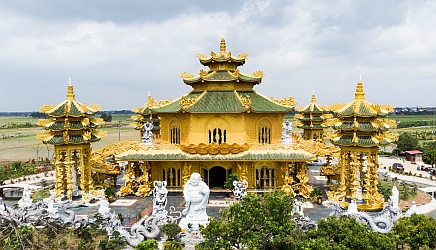
The Allure of the Far East: A Tapestry of Landscapes, History, and Culture The Far East is a realm where nature reveals its majesty in myriad forms. Towering mountain ranges pierce the skies, their snow-draped peaks mirrored in serene alpine lakes. Vast stretches of emerald rice terraces cascade down hillsides in intricate patterns, a testament to centuries of harmonious coexistence between man and nature. In this corner of the world, each sunrise paints the horizon with hues of gold and crimson, reflecting on tranquil waters and awakening the rhythm of life in rural villages. From the dramatic karst formations of Guilin, China, to the volcanic landscapes of Japan, the region is a haven for natural wonders. With its emerald waters dotted by limestone islands, the Ha Long Bay in Vietnam offers a surreal seascape that feels plucked from a mythic tale. Meanwhile, Japan’s iconic Mount Fuji rises like a silent sentinel, its symmetry and presence capturing the essence of the Japanese spirit. Equally captivating are the lush jungles of Southeast Asia, where dense canopies shelter exotic wildlife and ancient temples. In Cambodia, the mighty Angkor Wat emerges from the forest, a sprawling testament to human ingenuity and devotion. Indonesia, with its archipelago of over 17,000 islands, boasts vibrant coral reefs, cascading waterfalls, and volcanic craters that seem otherworldly. Each landscape tells its own story, inviting us to pause, reflect, and connect with the awe-inspiring beauty of the Far East. The Far East’s various countries beckon with their unparalleled blend of natural beauty, historical depth, and cultural richness. It is a region where every journey becomes a story, every encounter becomes a lesson, and every moment becomes a memory to cherish. To tour the Far East is to embark on a voyage of discovery – not just of new lands but also of the timeless threads that connect humanity across borders and generations. Whether wandering through ancient temples, marveling at breathtaking landscapes, or immersing oneself in vibrant cultural traditions, a tour to the Far East offers an experience that is as enriching as it is unforgettable. It is a place where the heart finds inspiration, the mind gains perspective, and the soul feels at home. A Cradle of Ancient Civilizations History permeates every corner of the Far East, offering a profound sense of continuity and a window into civilizations that shaped the world. Here, empires rose and fell, leaving behind an enduring legacy in the form of magnificent palaces, temples, and ruins. China, often called the Middle Kingdom, is one of the oldest continuous civilizations. Its history is etched in the Great Wall’s grandeur, the Forbidden City’s imperial splendor, and the Terracotta Army’s timeless artistry. Each stone, carving, and artifact speaks of dynasties that flourished, their cultural achievements echoing across millennia. Japan’s history unfolds in a delicate balance of tradition and modernity. Ancient wooden shrines like Ise Jingu and the Zen Gardens of Kyoto offer a glimpse into a spiritual heritage deeply intertwined with nature. Samurai castles and Edo-era districts transport us to a time when honor and artistry shaped the nation’s identity. Southeast Asia, too, boasts an extraordinary historical narrative. The Khmer Empire’s architectural triumphs, particularly Angkor Wat and Bayon Temple, reveal a sophisticated civilization that blended Hindu and Buddhist influences. In Vietnam, the ancient town of Hoi An preserves its legacy as a vibrant trading port, while Hue’s imperial citadel reflects the might of the Nguyen Dynasty. Every destination in the Far East serves as a portal to the past, inviting us to unravel stories of resilience, innovation, and spirituality. The Atmosphere of Timelessness A distinct atmosphere in the Far East transcends the passage of time. It is in the soft rustle of bamboo leaves, the meditative cadence of temple bells, and the mingling scents of incense and jasmine. This timeless quality is felt in sacred spaces or historical landmarks and the rhythm of daily life. Water buffaloes plow the fields in the countryside as they have for centuries, while fishermen cast their nets in sync with age-old traditions. Bustling markets brim with life, their stalls piled high with vibrant fruits, fragrant spices, and handwoven textiles. In these spaces, the essence of the Far East comes alive in a dynamic interplay of past and present. Urban centers, too, exude a fascinating blend of antiquity and innovation. Cities like Tokyo, Seoul, and Shanghai pulsate with modernity, their skylines adorned with neon lights and cutting-edge architecture. Yet, amidst the technological marvels, pockets of tranquility endure. Hidden shrines, ancient alleyways, and tea houses offer a refuge where one can momentarily escape the rush and reconnect with the enduring traditions of the region. The atmosphere of the Far East is an invitation to embrace contrasts. It is where ancient rituals coexist with cutting-edge progress, and the soul finds solace in nature’s simplicity and the complexity of human ingenuity. A Celebration of Culture The Far East is a kaleidoscope of cultures, each distinct yet interconnected through shared philosophies and traditions. These cultures manifest in every aspect of life – art, cuisine, music, and festivals – creating a vibrant mosaic that enchants visitors from around the globe. Cuisine in the Far East is an art form deeply rooted in history and geography. From the delicate sushi and sashimi of Japan to the fiery curries of Thailand, every dish tells a story of the land and its people. Street food stalls in bustling night markets offer tantalizing treats, from Vietnamese pho to Korean bibimbap, inviting us to savor the diversity of flavors that define the region. Traditional arts and crafts are another window into the soul of the Far East. In China, calligraphy and porcelain painting reflect centuries of aesthetic refinement, while Japan’s tea ceremonies and ikebana embody a philosophy of harmony and simplicity. In Indonesia, batik fabrics narrate tales through intricate patterns, and in Myanmar, gilded pagodas shine as symbols of devotion and artistic brilliance. Festivals in the Far East are sensory feasts, blending ancient customs with vibrant celebrations. The Lunar New Year unites families across the region in joyous reunions and cultural performances. Thailand’s Songkran Festival, a water-soaked celebration, heralds the arrival of the new year with playful exuberance. Meanwhile, Japan’s cherry blossom season transforms the landscape into a vision of pink and white, inspiring poetry, picnics, and reflections on the fleeting beauty of life. The cultural fabric of the Far East is woven with threads of diversity and unity, offering endless opportunities to explore, learn, and marvel. The Spiritual Essence of the Far East Spirituality is deeply ingrained in the essence of the Far East, shaping its landscapes, architecture, and way of life. The region’s sacred spaces – from towering pagodas to tranquil Zen gardens – offer profound moments of connection and contemplation. Buddhism, Confucianism, Taoism, Shinto, and Hinduism have left indelible marks on the region’s identity. Temples and monasteries, whether nestled in mountain ranges or bustling urban centers, serve as places of worship and cultural preservation. The golden spires of Myanmar’s Shwedagon Pagoda, the intricate carvings of India’s Ajanta Caves, and the serene rock gardens of Kyoto all reflect a shared reverence for the divine. Pilgrimages are a common thread in the spiritual traditions of the Far East. The Camino-like Kumano Kodo trails in Japan, the sacred Mount Kailash in Tibet, and the Buddhist circuit in India and Nepal attract seekers from around the world. These journeys transcend physical landscapes, offering a path to self-discovery and enlightenment. In the Far East, spirituality is not confined to temples or rituals; it permeates everyday life. Preparing tea, tending a garden, or simply gazing at the moon becomes a meditation, a reminder of the interconnectedness of all things. The Pearl of the East: Vietnam & Cambodia Tour For travelers seeking a unique cultural tour tailored to the Jewish lifestyle, with the convenience of Kosher dining, a 14-day group tour through Vietnam and Cambodia promises an unforgettable experience. This meticulously planned adventure combines breathtaking landscapes, deep historical insights, and vibrant traditions, all while accommodating dietary needs with expertly prepared Kosher meals. The tour begins in Hanoi, where the old-world charm of French colonial architecture meets the lively energy of bustling markets. From there, participants will journey to Mai Chau, a serene valley surrounded by lush greenery and home to traditional stilt houses. Ha Long Bay, a UNESCO World Heritage Site, offers a chance to marvel at its mystical limestone islands and emerald waters. In central Vietnam, Hoi An enchants with its lantern-lit streets and preserved heritage as an ancient trading port. The Golden Bridge, a stunning architectural marvel set amidst rolling hills, provides breathtaking views and photo opportunities. Crossing into Cambodia, travelers will explore Siem Reap, home to the iconic Angkor Temples. These architectural masterpieces, particularly Angkor Wat and Ta Prohm, reveal the grandeur of the Khmer Empire. The journey continues to Ho Chi Minh City, where modernity and history converge. Here, the group will visit the Cu Chi Caves, an intricate network of tunnels that tell stories of resilience during the Vietnam War. A day in the Mekong Delta showcases the vibrant life of riverside communities, with opportunities to explore floating markets and lush orchards. The experience in Vinh Long highlights the agricultural richness and charm of rural Vietnam. This tour seamlessly blends awe-inspiring sites with cultural immersion, offering an enriching experience for those seeking to discover the wonders of Vietnam and Cambodia in a Kosher-friendly environment. The Japanese Legend: Japan Tour Experience the Land of the Rising Sun like never before with a 10-day group tour in Japan tailored to the Jewish lifestyle. This thoughtfully curated journey accommodates prayers, Shabbat observance, and Kosher meals, ensuring a meaningful and enjoyable travel experience. The adventure begins in Tokyo, a vibrant metropolis of harmonizing tradition and innovation. From the serene Meiji Shrine to the bustling Tsukiji Fish Market, Tokyo offers a captivating glimpse into Japan’s dynamic spirit. In Hakone, travelers can admire stunning views of Mount Fuji and relax in the region’s famous hot springs. The tour then takes participants to Takayama, a picturesque mountain town known for its beautifully preserved Edo-period streets and local crafts. In Hiroshima, the Peace Memorial Park and Museum provide a poignant reminder of history, while nearby Miyajima Island captivates with its iconic “floating” torii gate and tranquil atmosphere. Kyoto, the cultural heart of Japan, enchants visitors with its ancient temples, traditional tea houses, and stunning Zen gardens. Highlights include the Fushimi Inari Shrine with its thousands of vermilion torii gates and the Golden Pavilion shimmering in the sunlight. In Nara, travelers will meet the friendly deer roaming freely in Nara Park and visit the awe-inspiring Todai-ji Temple, home to a giant bronze Buddha. The journey concludes in Osaka, renowned for its culinary delights and vibrant nightlife. Participants will explore historic landmarks like Osaka Castle and indulge in the city’s famous street food. Throughout the tour, Shabbat is observed with communal prayers and meals, providing a sense of connection and spirituality in a foreign land.